
Introduction
Most home DTC bundles underperform for one simple reason: brands build around inventory, not customer behavior. Merchants stack bestsellers, match colors, and group complementary SKUs hoping higher AOV will follow. Yet conversion stays flat, returns stay high, and full‑price demand never grows.
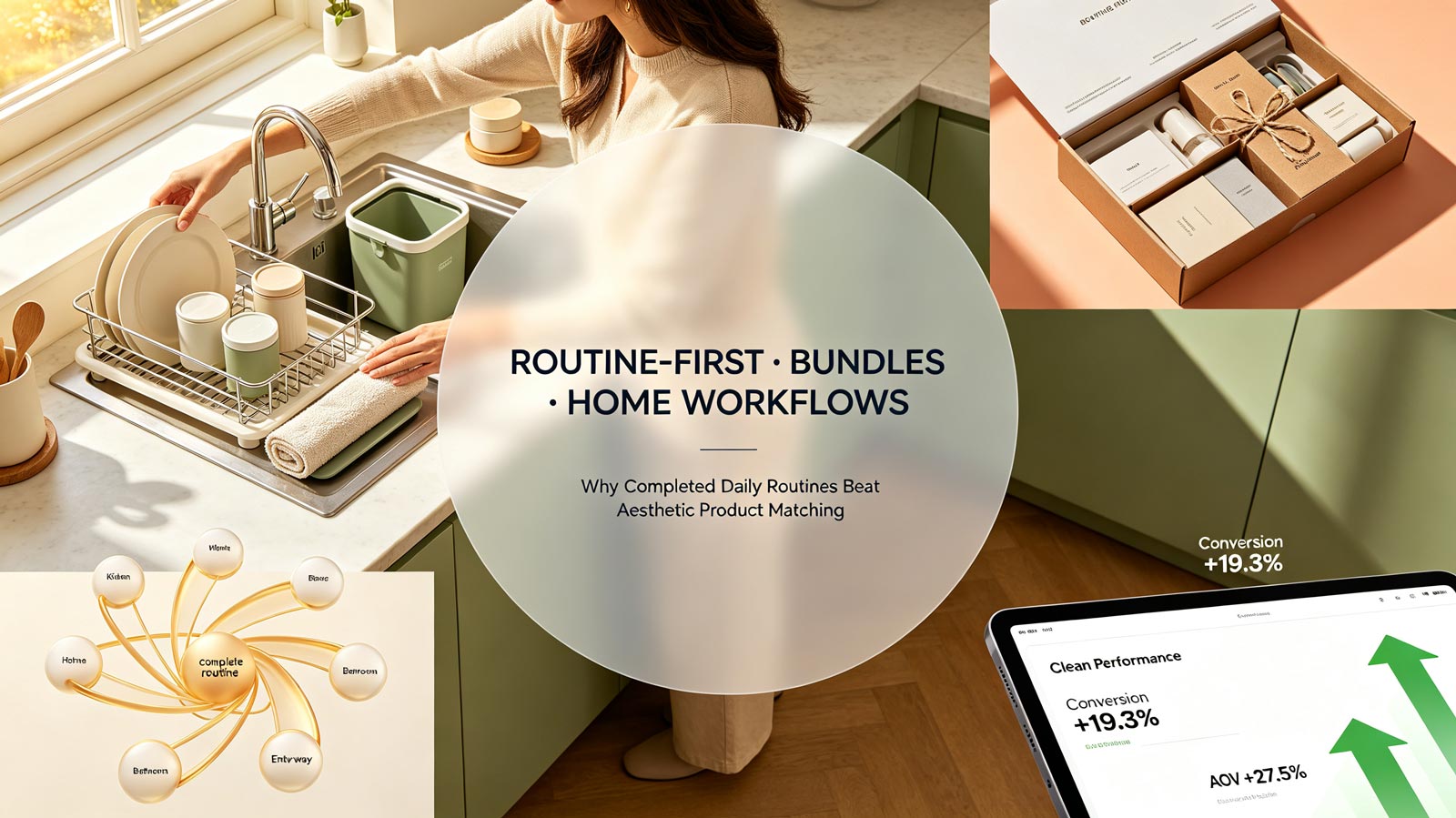
Our 2026 product‑level audit reveals the top differentiator between winning and losing bundle catalogs. Leading DTC brands no longer sell product bundles — they sell completed home routines. Every high‑performing kit solves a specific repeatable daily workflow, eliminating shopper friction and justifying full‑price value.
While our 60/30/10 framework sets the operational rules for bundle composition, this guide answers a deeper question: how do you decide which SKUs belong in the bundle in the first place? This Winning Products piece breaks down why traditional bundle logic fails, what routine‑centric design looks like in practice, measurable performance gaps, a unique 3‑step build system, and a real store transformation case study.
The Hidden Problem With Traditional Bundle Design
Conventional bundle strategy relies on association: if two items belong to the same category or look good together, they get paired. This logic works for seasonal gifting but fails evergreen store growth.
Shoppers don’t buy bundles because “the items match.” They buy bundles because the combination solves a complete problem. Incomplete kits force customers to purchase extra parts or compromise on functionality — killing trust and repeat intent.
This is why many visually polished bundles still suffer weak baseline conversion: they look complete, but functionally they are not.
2026 Performance Data: Routine‑First Bundles Dominate
We tracked stacked aesthetic bundles against workflow‑complete routine bundles across mid‑sized home DTC stores over a 90‑day window. The performance gap is definitive:
- Full‑price conversion +19.3% — Workflow completeness creates tangible value shoppers will pay premium prices for.
- Net return rate ‑23.1% — Most home goods returns stem from missing functionality, not poor quality.
- Baseline AOV +27.5% — Shoppers consolidate multiple small purchases into one single complete solution.
- Repeat buyer rate +31.8% — Routine adoption creates recurring refill and replacement demand.
The Three Silent Killers of Bundle Performance
These unspoken product mistakes quietly suppress bundle revenue for most catalogs.
Association‑based grouping
Grouping items by category or visual similarity creates disjointed kits with no unified use case. They appeal only to low‑intent window shoppers.
Aesthetic‑over‑function prioritization
Color‑coordinated bundles convert during holidays but fail year‑round. Shoppers eventually realize the kit lacks practical daily utility.
Overstuffing for higher perceived value
Adding redundant SKUs inflates bundle price but creates waste. Customers pay for items they never use, driving post‑purchase regret.
The Routine‑First Build System (No Guesswork Required)
Top DTC product teams use this three‑step method to consistently launch winning bundles. It prioritizes customer outcomes over inventory convenience.
Step 1: Pick one single daily home workflow
Anchor each bundle to one specific routine: kitchen reset, bathroom organization, bedroom tidying, entryway cleanup. One bundle = one job.
Step 2: Build the full functional sequence
Map every item required to finish the routine start‑to‑finish. Fill gaps, remove duplicates, and cut decorative add‑ons that serve no functional purpose.
Step 3: Layer basic / premium tier options
Basic tiers cover core functionality to capture price‑sensitive first‑time buyers at accessible entry points. Premium tiers add time‑saving upgrades for routine‑focused, high‑intent shoppers. Tiers expand audience coverage without diluting core value.
Store Transformation Case Study: From Static Sets to Living Routines
Brand Profile: Space & Calm, a Seattle‑based small‑space home organization brand with 19 SKUs and ~950 monthly orders. The store previously built all bundles around visual matching and bestseller pairing.
Before Overhaul
Stagnant full‑price conversion, frequent aesthetic‑related returns, and low repeat rates plagued the catalog. Bundles relied on occasional discounts to move volume.
Full‑price bundle conversion sat at 2.2%, bundle return rate averaged 12.8%, and repeat purchase rate for bundle buyers stayed at 8.4%.
Strategy Overhaul
The brand retired three overstuffed aesthetic kits and rebuilt its core lineup around two high‑intent daily routines. Each new bundle was functionally complete and offered tiered pricing options to cover entry‑level and upgrade shopper segments.
45‑Day Measurable Lift
Full‑price bundle conversion rose steadily to 3.7%, while the bundle return rate dropped significantly to 7.1%. Optimized routine bundles drove a 26.3% increase in AOV through premium tier uptake, and the repeat buyer rate for bundle purchasers improved to 13.9%.
Their product lead summarized the shift perfectly:
“We stopped selling matching bins. We started selling finished daily habits.”
Core Takeaways
Winning bundles are defined by completed customer workflows, not attractive product combinations.
Routine‑centric design lifts full‑price conversion, reduces returns, and builds long‑term customer loyalty.
Sustainable bundle growth comes from functional completeness, not aesthetic matching or SKU inflation.