
Introduction
Home DTC growth once relied heavily on aesthetics. Brands won sales with matching decor and cohesive room styling. These visual-first bundles dominated social feeds. In 2026, this core buyer priority is fading fast.
A quiet but powerful shift called “De-Houseworking” is rewriting home goods demand. Modern shoppers no longer redesign homes for visual appeal. They optimize spaces to cut daily chores. They want less physical effort and zero-fuss lifestyles. This is not a temporary design trend. It is a permanent structural shift. It rewires which SKUs and bundles earn full-price sales.
Our past Industry Insights covered seasonal margin traps and dual consumer demand. This report dives deeper into core shopper behavior. It explains why aesthetics no longer drive purchase decisions. It breaks down trend metrics, inventory risks, and simple catalog alignment checks.
What Is the De-Houseworking Shift
De-houseworking describes a clear buyer priority: avoiding products that add household work. Shoppers prioritize items that reduce daily cleaning and organizing labor.
This differs from fleeting design trends. Maximalism and dopamine decor are styling fads. De-houseworking comes from long-term lifestyle changes. Busy homeowners value function over perfect visuals. They seek low-maintenance, seamless living above all else.
Every modern home purchase faces one final test. Does this item create more work, or less work for me? This single question explains 2026’s shifting store performance gaps.
Verified 2026 Market Metrics
90-day cross-store data shows clear separation between old and new home product demand:
Full-price conversion +22.4% for low-maintenance SKUs Functional items hold steady full-price demand with minimal promotion reliance.
Aesthetic returns 8.4pp higher than functional goods Decor-only purchases carry far stronger post-purchase regret risk.
Bundle repeat rate +25.1% for workflow kits Chore-reducing sets build habitual usage and long-term buyer loyalty.
Effortless-home UGC engagement +33% Low-maintenance lifestyle content outperforms traditional styling content organically.
Three Outdated Inventory Patterns Losing Traction
These three catalog patterns now underperform consistently in 2026.
High-upkeep decorative bundles They look polished in photos. They require constant cleaning and create ongoing chores. This drives high regret and weak repeat purchases.
Single-purpose niche organizers Ultra-specialized storage forces rigid tidying routines. Modern shoppers avoid products that add mental and physical overhead.
Aesthetic-only seasonal kits Holiday decor serves no daily function. It relies on heavy discounts and has shrinking sales windows.
High-Growth De-Houseworking Product Categories
Brands that realign around effortless functionality are capturing 2026's organic growth. These four product verticals lead the shift:
Multi-functional space-saving solutions Flexible storage adapts to user routines. It cuts clutter without strict, high-effort systems.
Low-upkeep home textiles Stain-resistant, durable materials reduce recurring chores. They outperform delicate trend-focused fabrics year-round.
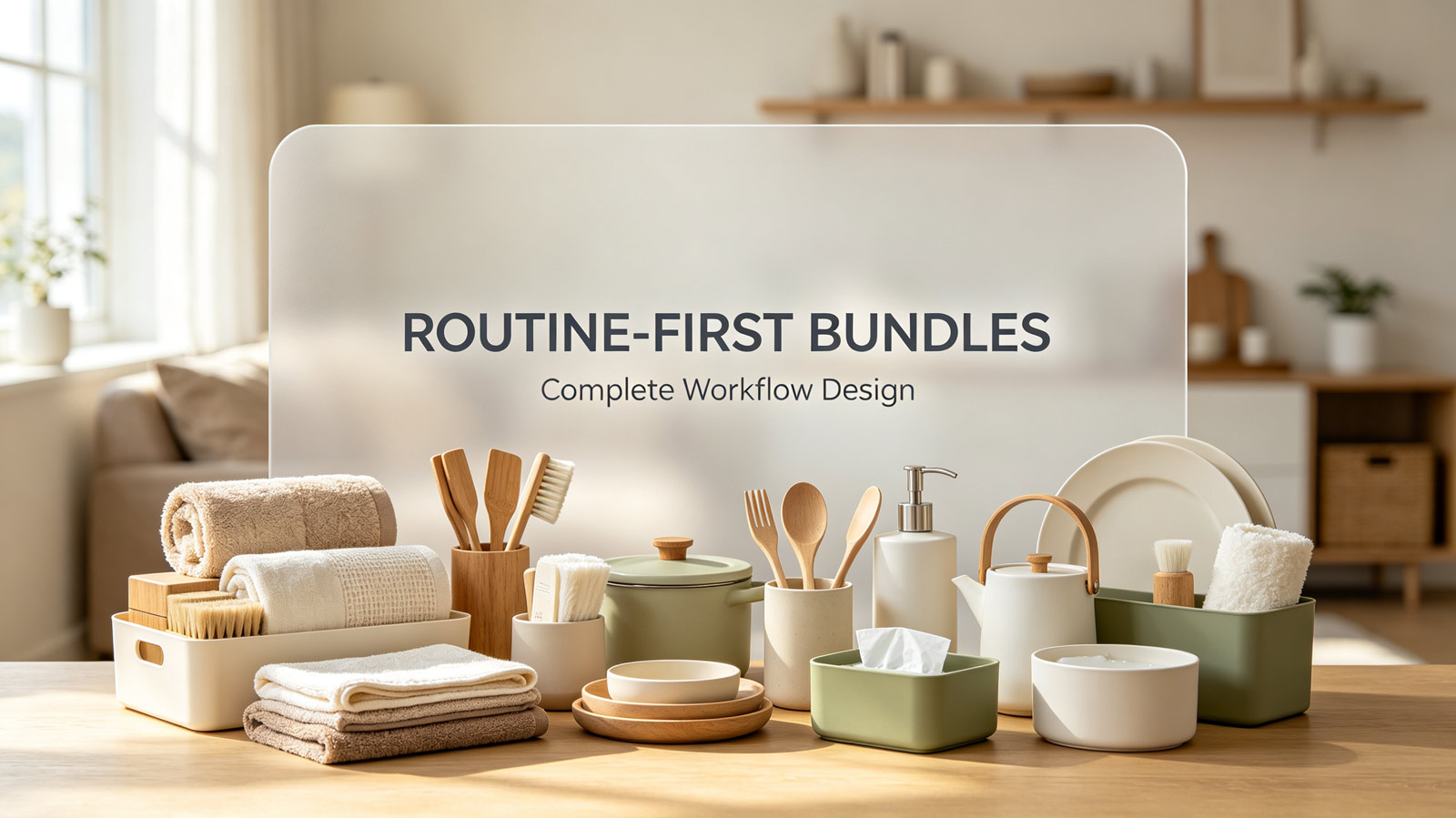
Complete workflow reset bundles These kits finish daily home routines start to finish. They eliminate buyer decision fatigue and save tangible time.
Refillable home systems Self-sustaining product lines build repeat purchase habits. They perfectly match low-effort lifestyle preferences.
Real-World Case Study: CleanSpace Catalog Pivot
CleanSpace is a U.S. kitchen organization DTC brand. It previously relied heavily on aesthetic matching decor sets. By early 2026, full-price sales stalled and return rates climbed.
The brand removed four high-maintenance decorative SKUs. These items required frequent cleaning and offered no real function.
It rebuilt its flagship bundle around a full kitchen reset workflow. It only used stain-resistant, scratch-proof, low-upkeep materials built for daily use.
The team ran a strict 90-day test. No promotions or ads changed during the window. Only product composition shifted.
Results were decisive. Full-price bundle conversion rose 19.6%. Aesthetic-related returns dropped from 14.2% to 6.8%. The brand’s founder summed up the shift perfectly: “We thought buyers wanted a pretty kitchen. They actually wanted to never think about their kitchen.”
Diagnostic Signals: Check Your Catalog Alignment
Use these compact signals to spot trend misalignment instantly:
Signal 1: High-maintenance decor dominates listings
Risk: Rising returns and flat full-price traction.
Fix: Limit pure decor to seasons. Prioritize functional-decor hybrids year-round.
Signal 2: Copy leads with styling and color
Risk: Missing low-maintenance, effort-saving search intent.
Fix: Lead with chore reduction. Position aesthetics as secondary value.
Signal 3: Bundles look matched but feel incomplete
Risk: Extra shopper work kills repeat loyalty.
Fix: Pair routine workflow logic with low-maintenance material standards.
Core Takeaways
- 2026 home DTC growth no longer comes from surface aesthetics. It comes from time-saving, low-effort living solutions.
- High-upkeep decorative inventory earns shrinking full-price demand and higher returns. Functional chore-reducing SKUs sustain organic growth.
- Long-term store resilience depends on shopper effort reduction. Align products and messaging with this permanent consumer shift.