


Introduction

The DTC cross‑border landscape has undergone a fundamental shift in 2026. Low‑price scaling, blind SKU expansion, and revenue‑first growth strategies that once fueled store expansion are now leading to thinning margins, rising customer acquisition costs, and unstable cash flow. Industry‑wide operational data reveals that top‑performing brands are abandoning volume chasing and shifting toward efficiency‑driven, profit‑centric operations. This analysis breaks down the core 2026 industry transition, key market pressures, and actionable operational shifts that separate sustainable DTC brands from fading mass‑market sellers.

The End of Low‑Cost Cross‑Border Scaling

For years, cross‑border DTC growth relied on three core advantages: low manufacturing costs, lenient cross‑border compliance rules, and cheap paid traffic. In 2026, all three pillars have weakened significantly.
Evolving regional tariff policies and stricter supply chain verification have raised baseline cross‑border operational costs. Social platform algorithm updates have reduced organic reach while pushing average CAC steadily higher. Meanwhile, saturated product categories and copycat listings have eliminated the first‑mover advantage for generic SKUs. The result is clear: revenue growth no longer guarantees profit growth. Many stores with increasing GMV are recording shrinking net margins or even operational losses.
This industry‑wide reversal has forced merchants to abandon traditional “scale first, profit later” logic and restructure their entire store operation model.

2026 Core Industry Shift: Margin Optimization Outpaces Revenue Expansion

Aggregated DTC store performance data from H1 2026 shows a decisive strategic shift among premium sellers. Leading brands now prioritize margin health, inventory turnover efficiency, and operational leakage reduction over pure sales volume growth.
The most successful DTC stores are no longer launching dozens of new SKUs monthly to chase trending traffic. Instead, they streamline catalogs, eliminate low‑margin listings, and refine fulfillment and packaging workflows to cut invisible operational waste. This transition marks the official end of the “era of cheap cross‑border ecommerce” and enters a new phase of refined, profitable brand operation.

Three Hidden Operational Leakages Killing DTC Profitability

Unfiltered Low‑Margin SKU Accumulation 

Most long‑running DTC stores carry a large number of legacy low‑margin SKUs for traffic purposes. While these products sustain basic store exposure, they consume warehouse storage capacity, increase sorting and fulfillment labor costs, and drag down overall inventory turnover. In tight profit environments, traffic‑driven unprofitable SKUs become a continuous cash drain.

Decentralized Fulfillment Workflows 

Sellers relying on multiple disjointed suppliers and local warehouses face inconsistent processing standards, repeated logistics handoffs, and higher error rates. Fragmented supply chains create invisible costs including delayed shipments, re‑delivery fees, and after‑sales compensation losses that are rarely calculated in regular P&L sheets.

Generic Brandless Operation Mode 

Stores with homogeneous product positioning and inconsistent visual identity can only compete on price. Without brand premium and stable user loyalty, every traffic increase requires higher ad investment, forming a vicious cycle of rising CAC and shrinking profit margins.

Winning Operational Strategies for 2026 Profit‑Driven Growth

Streamline Catalog Based on Profitability Metrics 

Modern DTC operation requires profit‑based SKU grading rather than traffic‑based evaluation. Merchants should phase out low‑margin, low‑retention products and scale high‑intent, high‑profit core SKUs. A lean, high‑quality catalog reduces inventory pressure and improves overall store profitability and operational stability.

Unify Global Fulfillment & Standardize SOPs 

Centralizing global fulfillment resources and adopting standardized warehouse processing rules eliminates cross‑node operational discrepancies. Unified packaging, inspection, and dispatching workflows reduce manual errors and after‑sales losses, effectively cutting hidden supply chain costs.

Build Brand Differentiation to Raise Margin Ceilings 

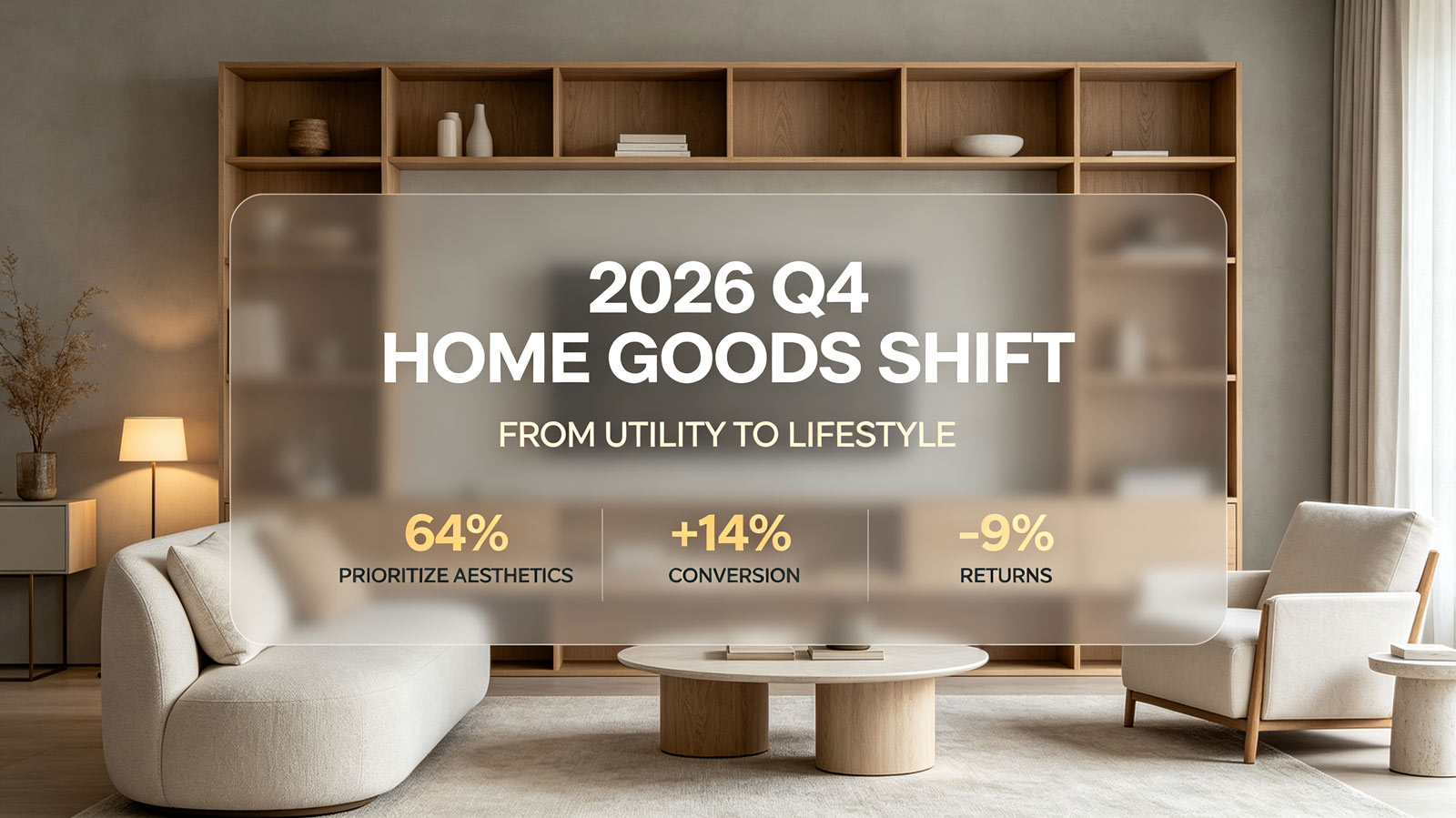
Breaking free from price competition requires consistent brand aesthetics, refined unboxing experiences, and stable product quality. Brand‑centric operation builds user recognition and repeat purchase willingness, allowing stores to maintain healthy gross margins without relying on continuous ad bidding.

Industry Outlook

Moving forward, the cross‑border DTC industry will continue to polarize. Volume‑driven, low‑margin mass merchants will face increasing operational pressure, while efficiency‑focused, brand‑consistent sellers will steadily capture market share. In 2026 and beyond, sustainable profitability, not revenue scale, will define long‑term DTC brand competitiveness.

Core Takeaways

1. 2026 marks the end of low‑cost scaling; rising compliance, traffic and fulfillment costs make revenue‑first strategies unsustainable.
2. Top DTC brands are shifting focus from volume growth to margin optimization, inventory efficiency and operational leakage elimination.
3. Legacy low‑margin SKUs, fragmented fulfillment and generic branding are the three key factors suppressing store profitability.
4. Catalog streamlining, standardized global fulfillment and brand differentiation are the core drivers of profitable long‑term growth.