
Introduction
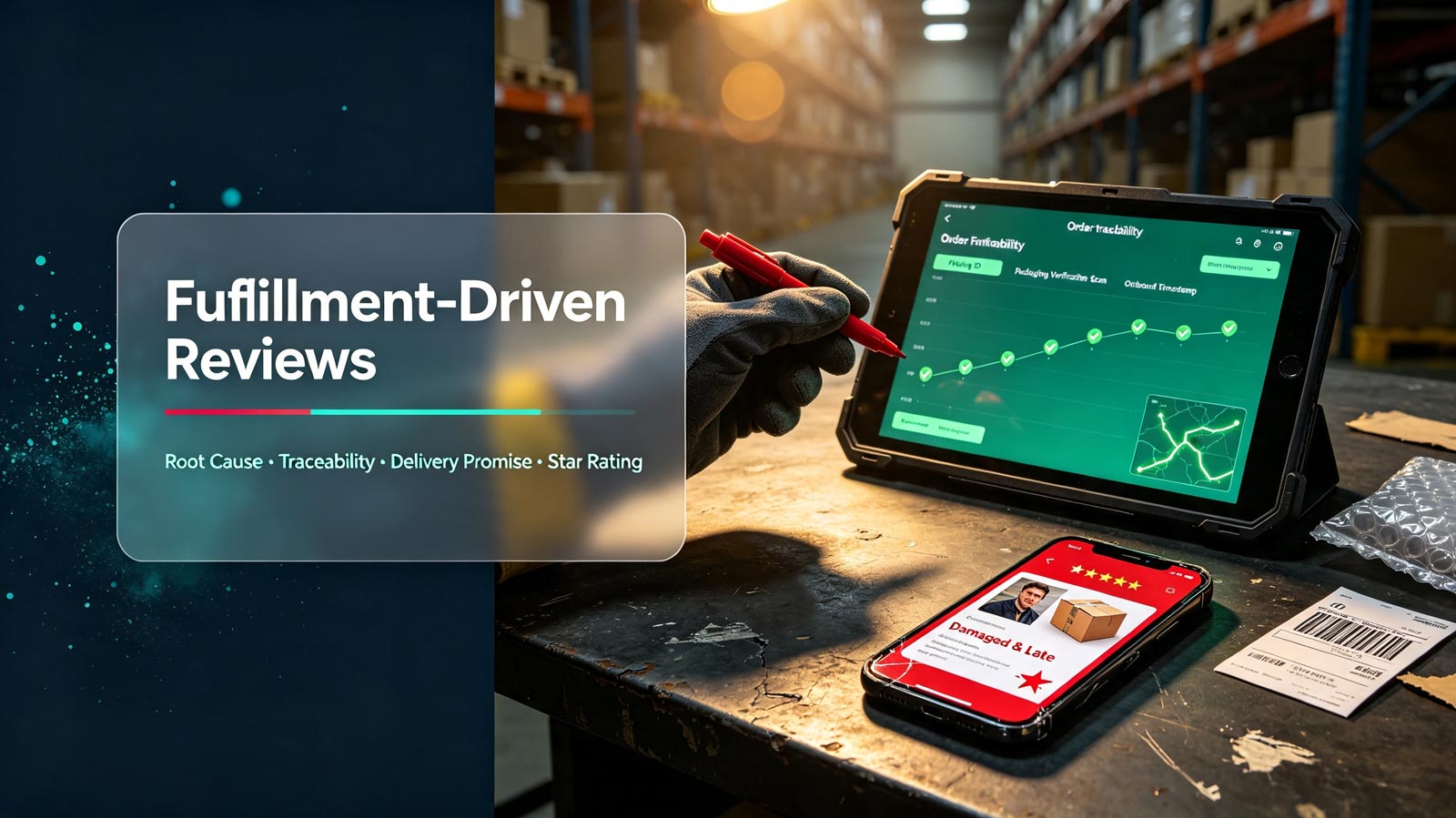
For cross-border stores on Amazon, Shopify and TikTok Shop, star rating and buyer reviews directly determine platform keyword ranking, product exposure and conversion rate. Many sellers spend heavily on ads and product listing optimization, yet fail to improve store scores because they ignore that over 68% of bad reviews stem from fulfillment links rather than product quality itself.
Delayed delivery, wrong items, damaged packages, unclear tracking information and complicated return processes are the top triggers of negative feedback. Without targeted review source analysis, stores will keep receiving similar complaints and gradually lose platform traffic weight.
Based on Globe Fulfillment’s long-term merchant data tracking, sellers who locate review root causes from warehousing, picking, packing and logistics can reduce negative comments by up to 72% within one month, raise average store rating by 0.6–1.2 stars, and significantly boost organic search traffic. This article sorts common review types caused by supply chain links, provides a review tracing analysis method, lists targeted optimization measures, and shares real store reputation improvement cases.
Classify Fulfillment-Driven Negative Reviews & Root Causes
Review Type 1: Long Waiting Time & No Tracking Updates
Buyers leave bad marks when orders stay in transit for weeks without logistics updates. The main reasons include unreasonable warehouse allocation, unstable cross-border logistics channels and delayed parcel scanning. Stores cannot manually monitor tens of thousands of orders, leading to continuous low-score comments.
Review Type 2: Wrong Item, Missing Accessories & Quantity Error
These mistakes mostly happen during order picking and packaging. Manual operation without system verification leads to mismatched SKUs, omitted gifts or missing parts. Such negative reviews are highly harmful and usually come with request for full refund or chargeback.
Review Type 3: Broken & Damaged Goods on Arrival
Inappropriate packaging materials, irregular stacking during warehousing and rough sorting by couriers cause package damage. Most sellers only handle after-sales refunds instead of upgrading packing standards and storage rules, resulting in repeated identical complaints.
Review Type 4: Troublesome Return & Refund Process
When customers need to return items, unclear return address, slow warehouse receiving confirmation and long refund approval time easily arouse dissatisfaction. Platforms will mark the store with poor after-sales service label if return efficiency fails to meet official standards.
Review Type 5: Inconsistent Delivery Promise vs Actual Lead Time
If the store sets a short delivery time on product page while the supply chain cannot support it, buyers will feel deceived and post bad reviews, which lowers store trust score severely.
How Globe Fulfillment System Helps Trace & Eliminate Review Sources
Whole-process order traceability
Every order generates a complete operation record including picking staff ID, packaging time, outbound warehouse and logistics provider. Once a negative review appears, merchants can quickly locate which link went wrong instead of vague attribution.
Intelligent SKU double-check before shipment
The AI system matches order information with physical goods barcode automatically, blocking mismatched orders before outbound, greatly cutting human error rate to below 1%.
Graded packaging solution by product category
According to item fragility, size and value, the system recommends standard packaging plans with bubble wrap, carton reinforcement and anti-collision measures, reducing damage rate in transit.
Standardized reverse fulfillment workflow
Unified overseas return warehouse receiving, inspection and restocking mechanism. The system synchronizes return progress to store backend in real time, shortening refund cycle and simplifying customer return steps.
Dynamic warehouse dispatch to match delivery promise
The platform intelligently assign inventory from the nearest overseas warehouse according to the buyer’s address, to ensure actual delivery speed matches the store’s displayed logistics commitment.
Step-by-Step Store Review Analysis & Optimization Workflow
- Export all low-star reviews within 7–15 days and label each comment with complaint category.
- Cross-check with fulfillment order logs to confirm whether the problem occurred in warehousing, picking, packaging or shipping.
- Adjust corresponding operation rules in the fulfillment backend: switch logistics channels, upgrade packing materials or lock SKU verification mode.
- Set up weekly abnormal order report to prevent repeated faults from happening again.
- Send proactive apology and compensation to affected buyers to mitigate the impact of existing negative reviews.
Practical Store Improvement Case
A Shopify fashion store accumulated more than 40 negative reviews within half a month, leading to product page ranking drop and ad conversion rate decline. After connecting with Globe Fulfillment, the team classified all bad feedback and found most complaints were package damage and wrong size delivery.
The fulfillment team enabled barcode verification and customized thickened packaging for clothing parcels. In the following 30 days, new negative reviews decreased from 4–6 per day to less than 1 per week. The store star rating rose from 3.7 to 4.8, and organic traffic increased by 31% without extra advertising spending.
Core Conclusions
- Most store negative evaluations are not product problems but hidden defects in the fulfillment chain.
- Passively dealing with after-sales refunds cannot solve review issues fundamentally; tracing source links is the key.
- Whole-process traceable fulfillment system allows stores to pinpoint review causes and make targeted fixes efficiently.
- Stable delivery and standardized post-purchase service are core assets to maintain long-term store weight and customer trust.