
Introduction
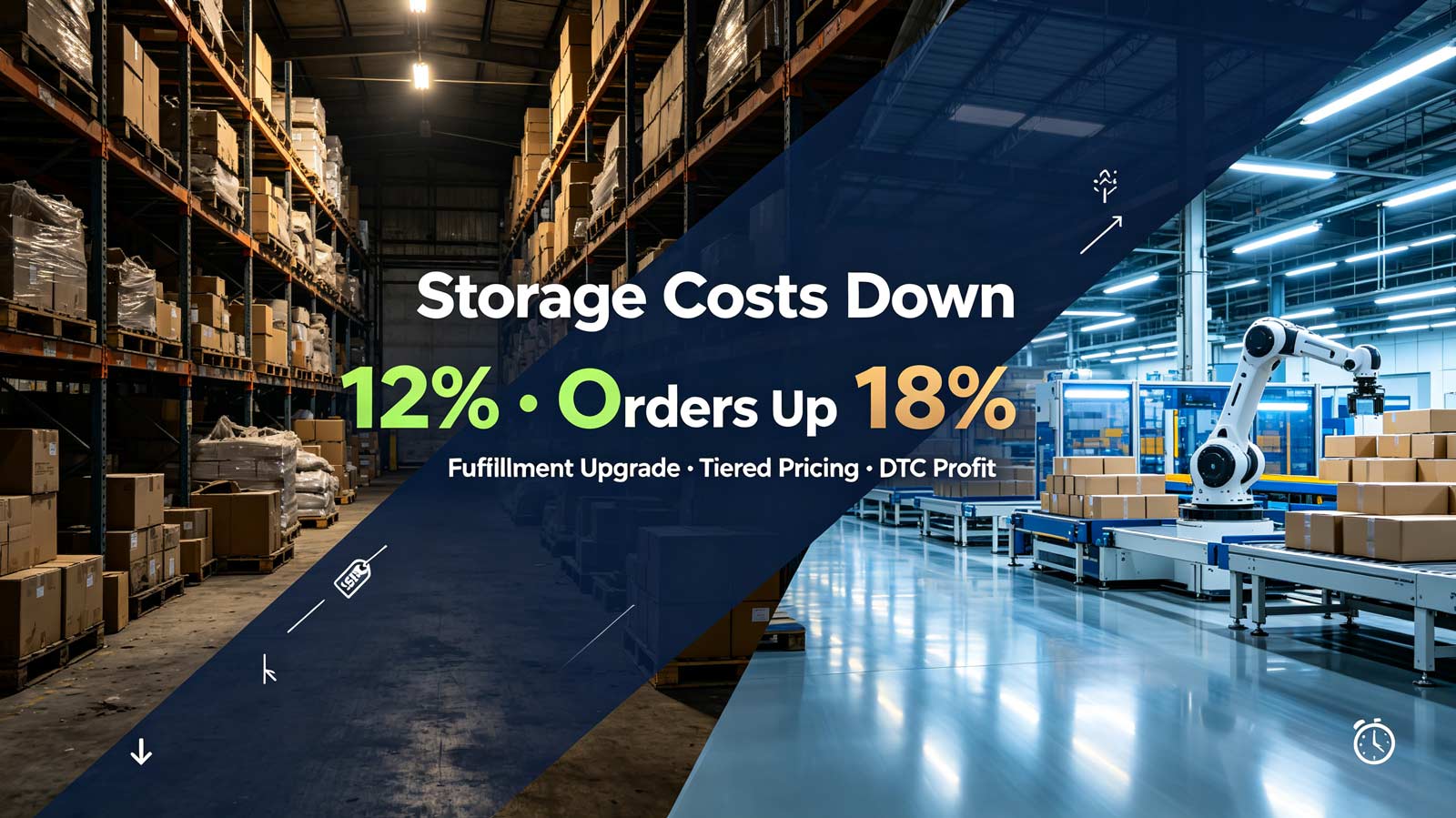
Cross-border DTC operations in H2 2026 face two persistent pain points: rising long-term storage overhead and inconsistent fulfillment turnaround speed. While merchants refine product selection and portfolio structures to avoid dead stock and improve margins, outdated warehousing and shipping rules often offset those profit gains. To align backend logistics capabilities with current DTC operational demands, Globe Fulfillment has officially rolled out its H2 2026 fulfillment framework upgrade, focusing on cost optimization, faster processing cycles, and more flexible inventory rules for long-term merchant growth.
This article covers the full scope of platform upgrades, adjusted pricing logic, optimized operational workflows, and tangible benefits for both new and existing DTC merchants.
Industry Background: Why Fulfillment Rules Need Upgrading in H2 2026
Based on Globe Fulfillment’s H1 2026 merchant operational statistics, two structural issues have become major profit barriers for mid-sized DTC stores:
- Unbalanced inventory cost structure: Merchants with stable evergreen anchor SKUs were charged under universal storage rules, lacking cost incentives for high-turnover, low-risk inventory portfolios.
- Fixed processing cycles limiting scalability: Generalized turnaround workflows failed to distinguish urgent restock orders from regular batch inventory, causing inconsistent delivery speed during peak and off-peak periods.
- Insufficient flexible inventory policies: Small-batch niche trial stocks faced the same threshold requirements as large-batch trending goods, raising barriers for low-risk product testing.
As DTC growth shifts from viral traffic scaling to refined portfolio operation, fulfillment systems must also evolve from “one-size-fits-all” logistics to strategy-aligned, profit-oriented service frameworks.
H2 2026 Fulfillment Framework Upgrade: Core Updates
Tiered Storage Pricing Based on Inventory Turnover Performance
The most impactful update is the new turnover-based storage pricing mechanism, which rewards healthy inventory operation behaviors. Starting October 1, 2026, warehouse storage fees will be dynamically tiered according to 90-day SKU turnover rates.
New pricing logic:
- High-turnover anchor SKUs (turnover > 3x/90d): 12% reduced monthly storage rates
- Stable baseline SKUs (1.5x–3x/90d): Standard rate with no premium markup
- Slow-moving inventory (<1.5x/90d): Graded reminder and optimization guidance to avoid cumulative cost waste
This upgrade structurally encourages merchants to maintain high-quality, high-margin, fast-turnover inventory while eliminating silent profit erosion caused by long-term stock occupation.
Optimized Order Processing & Turnaround Speed
Globe Fulfillment has adjusted warehouse staffing schedules and order priority rules to form a dual-track processing system:
- Daily regular orders: Stable 24–48 hour processing window for standard inventory
- Restock & peak-period orders: Dedicated processing channels to shorten turnaround during sales spikes and holiday preparation cycles
Overall average order processing speed improves by 18%, effectively reducing customer waiting time and lowering negative review rates caused by logistics delays.
Flexible Small-Batch Inventory Policy for Niche Trials
To support merchants’ low-risk niche product testing, the platform has lowered minimum stocking thresholds for new trial SKUs. DTC sellers launching scenario-based niche products no longer need to maintain large initial inventory volumes, significantly reducing upfront capital pressure and trial failure risks.
This policy closely matches the evergreen niche selection strategy, allowing brands to steadily expand high-margin sub-niches without overstocking unvalidated inventory.
Updated Inventory Monitoring & Alert System
The merchant backend now supports refined inventory health tracking, including real-time turnover rate calculation, aging stock reminders, and cost occupation analysis. Merchants can accurately identify low-efficiency SKUs early, achieving proactive inventory purification instead of passive loss clearance.
Early Adoption Results
During the September internal pilot phase, multiple long-term partner stores participated in the new framework test. A home goods DTC brand with a balanced evergreen portfolio saw significant operational gains within 30 days:
- Overall inventory storage cost decreased by 13%
- Average order fulfillment speed increased by 16%
- Aging stock proportion dropped significantly after adopting turnover-based inventory adjustments
The pilot results demonstrate that strategy-aligned fulfillment upgrades can directly improve store net profitability without additional ad scaling or traffic investment.
Core Logic: How This Upgrade Reshapes DTC Profit Structures
DTC profitability is determined by two ends: revenue growth and cost control. While product selection and content marketing expand revenue ceilings, refined fulfillment operations consolidate profit floors.
The H2 2026 framework upgrade changes the traditional passive logistics service model: it actively guides merchants to standardize inventory turnover, optimize SKU structure, and avoid operational leakage. When fulfillment costs dynamically match inventory quality, merchants can stably convert surface-level gross profit into realized net profit.
Operational Link: Fulfillment Upgrades Empower Long-Term Portfolio Stability
This platform update aligns closely with our published merchant guidance on niche selection and inventory management. Low-risk niche testing policies support new SKU verification; tiered storage pricing rewards high-quality anchor inventory; intelligent monitoring eliminates hidden stock losses.
Together, these upgrades help merchants build a sustainable operational cycle: low-risk trial → high-efficiency stocking → stable fulfillment → continuous profit retention.
Core Takeaways
- Globe Fulfillment’s H2 2026 fulfillment upgrade focuses on tiered storage pricing, faster turnaround, flexible trial rules, and intelligent inventory monitoring.
- Turnover-based dynamic storage fees reward high-quality evergreen inventory and curb silent operational profit erosion.
- Optimized order processing tracks improve overall logistics efficiency and end-user shopping experience.
- Loosened small-batch stocking thresholds lower barriers for niche product testing and low-risk portfolio expansion.
- Fulfillment optimization serves as the core backend support for stable DTC profitability in H2 2026.