

Introduction
To adapt to the growing multi-region order volume and diversified merchant fulfillment demands, Globe Fulfillment has completed a comprehensive upgrade of global warehouse SLA service rules in Q3 2026. This iteration optimizes the standardized time limit of core links including order processing, inbound receiving, abnormal order handling and warehouse response. The updated service specifications aim to deliver more predictable, stable and transparent supply chain support for cross-border independent store sellers. This article sorts out the key adjustment contents, optimized service details and practical benefits for merchants.
Background of Global Warehouse SLA Optimization
With the expansion of European and North American warehouse networks, merchant order structures have become more diversified, including conventional daily orders, pre-sale batch orders and peak-season surge orders. The original SLA standards adopted unified time limit rules for all order types, which could not fully match the refined operation needs of different merchants.
Based on long-term merchant feedback and operational data accumulation, the team adjusted and classified the service response mechanism. The upgraded SLA system sets clear time standards for different order scenarios, reduces uncertain waiting cycles, and improves the overall controllability of the fulfillment process.
Key Optimizations of Updated Warehouse SLA Rules
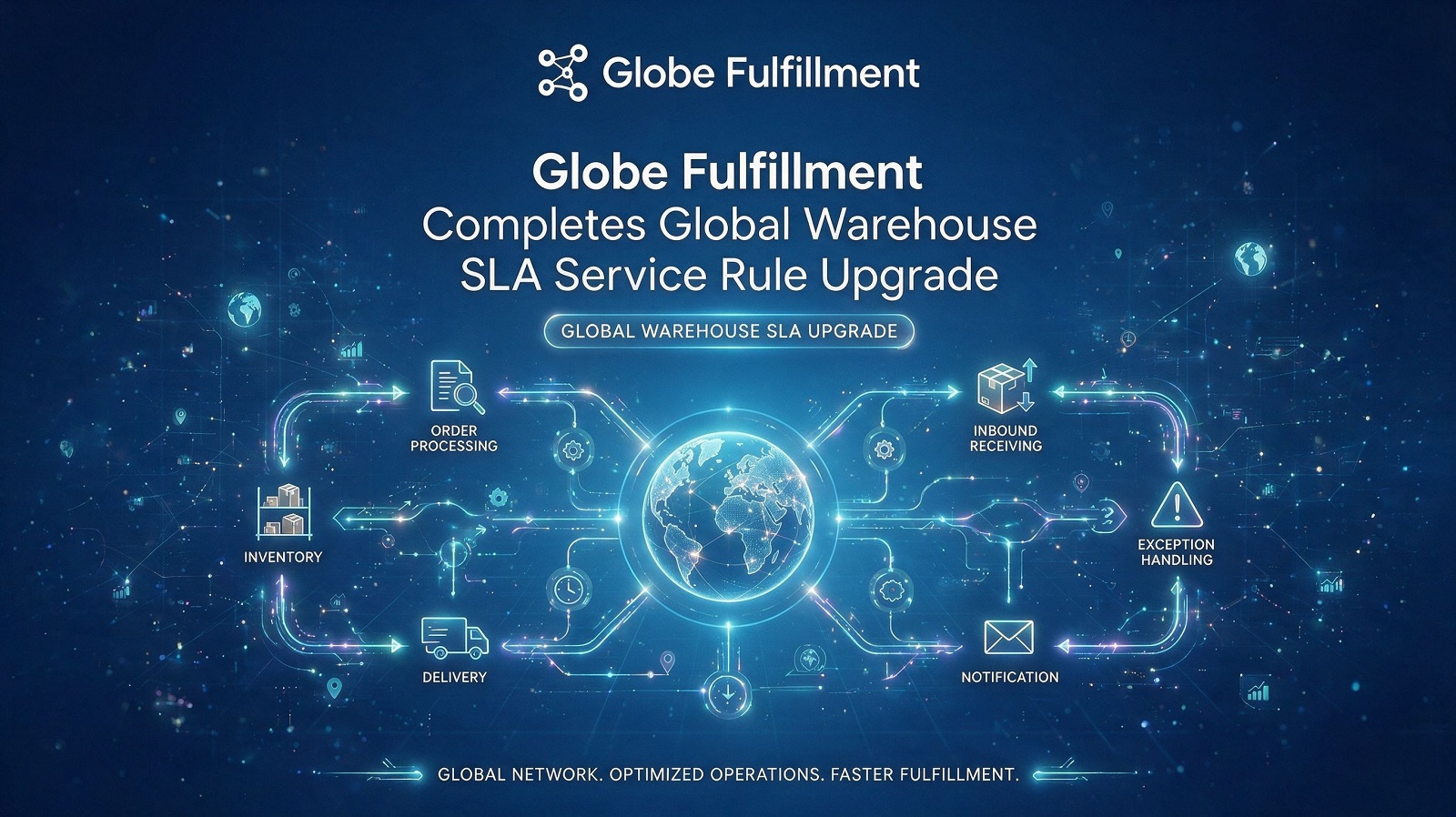
This official upgrade focuses on four core service links, realizing standardized and transparent time management.
Optimization 1: Graded order processing time limit
The platform divides orders into conventional spot orders and peak batch orders. Corresponding processing priority and time standards are formulated separately to avoid processing delays caused by order surges during peak periods.
Optimization 2: More precise inbound receiving cycle
Optimize the time limit standard for warehouse receiving, sorting and shelving. For goods with complete declaration information and standard packaging, the inbound confirmation cycle is further stabilized, helping merchants arrange subsequent sales plans in advance.
Optimization 3: Standardized abnormal order handling mechanism
Unify the processing flow and response time for common anomalies such as address correction, order cancellation and pending payment. The support team will feedback processing within a fixed cycle to reduce long-term pending orders.
Optimization 4: Real-time service progress notification
The backend adds more node reminder mechanisms for key links including inbound completion, order picking and outbound delivery. Merchants can grasp the latest fulfillment progress in a timely manner.
Differentiated Service Advantages for Different Merchant Scales
Small & Medium-sized Merchants
SME sellers with stable daily small-batch orders can obtain more fixed and predictable fulfillment cycles. Standardized SLA rules reduce order processing uncertainty, help stabilize store delivery experience and improve user review quality.
Large-scale Brand Merchants
Brands with large order volume and frequent peak sales can enjoy classified peak-period processing rules. The optimized batch order mechanism relieves order backlog pressure during promotional periods and maintains stable overall fulfillment efficiency.
Standard Fulfillment Process Under New SLA Mechanism
Step 1: Order submission & system verification
After merchants submit orders, the system automatically identifies order attributes and matches corresponding processing priority standards.
Step 2: Warehouse sorting & allocation
The overseas warehouse completes inventory allocation and picking arrangement according to standardized time nodes to ensure orderly progress of daily orders.
Step 3: Abnormal problem timely response
For orders with information errors or temporary adjustment demands, the customer service and warehouse team will complete response and processing within the specified SLA cycle.
Step 4: Outbound delivery & node synchronization
After outbound inspection, the system synchronizes logistics information in real time to ensure that merchants and end customers can track transportation status normally.
Step 5: Data settlement & service review
Regularly sort out service completion data, continuously optimize unreasonable time standards according to actual operation conditions.
New SLA Rule Implementation Checklist
1. All warehouse operations follow classified time limit standards for conventional orders and peak batch orders.
2. Complete inbound receiving and shelving within the updated standardized cycle to stabilize inventory availability.
3. Respond to abnormal order problems within the specified time window to avoid long-term pending status.
4. Synchronize key fulfillment node information in real time to ensure transparent order progress.
5. Adjust resource allocation dynamically according to order volume changes during peak seasons.
6. Accept merchant feedback continuously to iterate and optimize service details.
Practical Operation Optimization Effect
After the internal trial operation of the new SLA rules in Q2 2026, the overall stability of warehouse operations has been significantly improved.
• The proportion of orders completed within the standard cycle increased steadily;
• The processing cycle of abnormal orders was effectively shortened;
• Merchant feedback on fulfillment stability improved;
• Peak-season order backlog pressure was relieved to a certain extent.
The operation team stated that the upgraded SLA system provides clearer operational standards for warehouse management, and also offers more reliable service expectations for cooperative merchants.
Core Takeaways
1. The 2026 global warehouse SLA rule upgrade realizes classified and refined management of orders, solving the mismatch between single time standard and diversified order scenarios.
2. The optimization covers inbound receiving, order processing, abnormal handling and progress notification, comprehensively improving service transparency and stability.
3. Both small and large merchants can obtain matching stable fulfillment guarantees under the new mechanism.
4. Standardized service rules help cross-border sellers maintain stable store operation and improve end-user shopping experience.